01

Jasper in March

Book Jasper

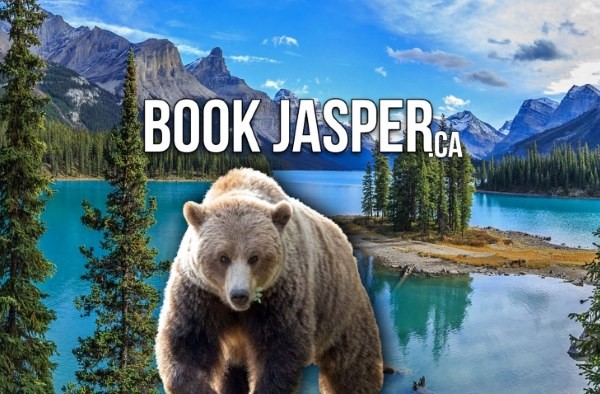
Book Jasper National Park Adventures and Attractions. Jasper National Park, located in the province of Alberta, Canada, is one of the largest and most northerly of the Rocky Mountain national parks, offering a sublime expanse of untamed wilderness for visitors to explore.

Book Jasper National Park Book Jasper
Jasper Wildlife Tour Videos

02

Jasper National Park

Columbia Icefield Tour & Glacier Skywalk

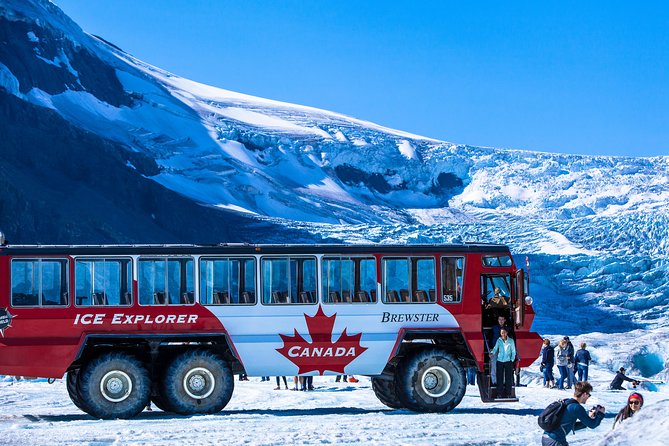
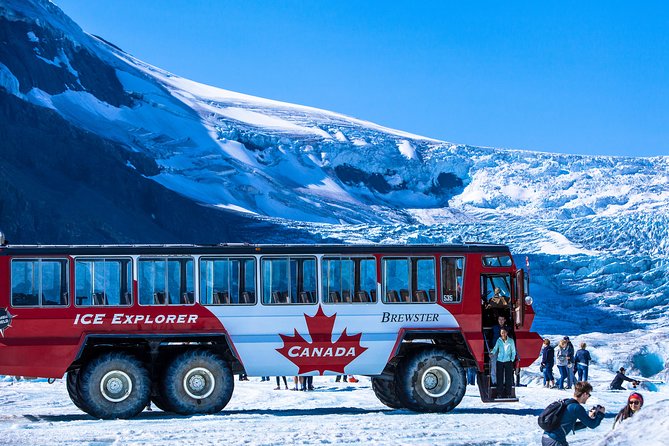
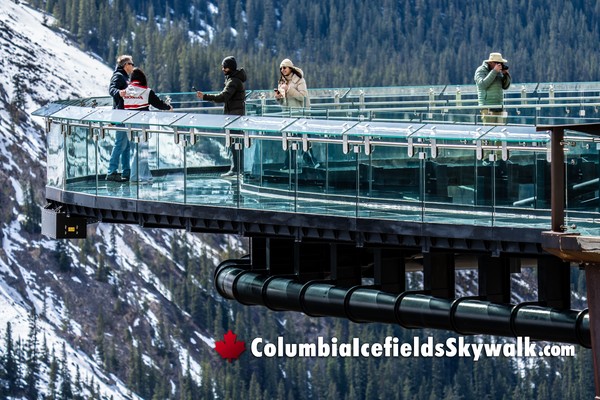
Columbia Icefield Tour including the Glacier Skywalk from Icefield Glacier Discovery Centre. Discover the awe-inspiring mountain scenery and massive glaciers of Alberta's Rocky Mountain region on this Columbia Icefields tour.

Jasper Columbia Icefield Tour & Glacier Skywalk
Book Glacier Skywalk and Athabasca Glacier Tour Jasper Columbia Icefield Home
Jasper Wildlife Tour Videos

03

Jasper in March

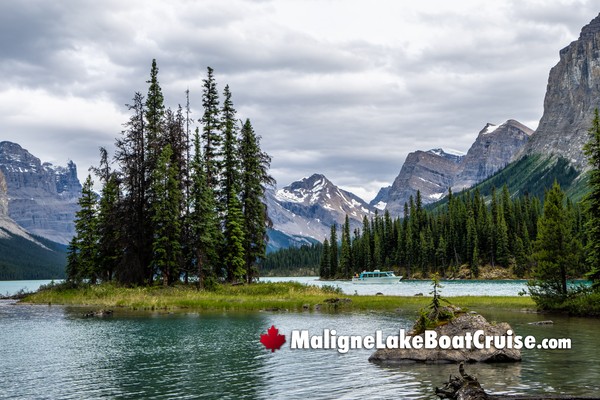
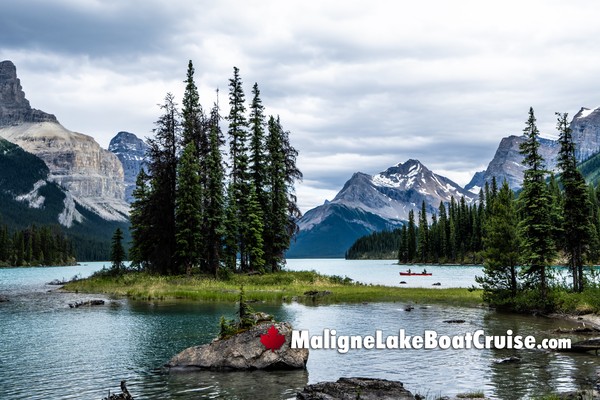
Jasper Maligne Lake Boat Cruise

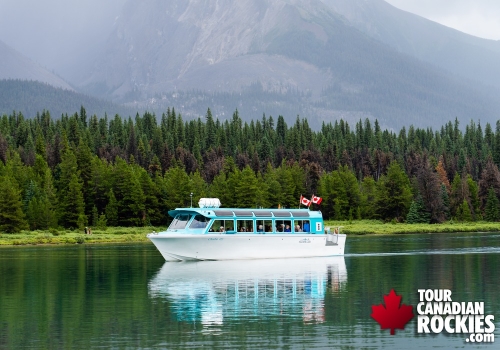
This fully narrated cruise takes you along Maligne Lake, the largest glacially fed lake in the Canadian Rockies, part of the UNESCO-listed Jasper National Park. Keep your camera close while scanning for eagles, bears, goats, and deer that call this area home.

Jasper Maligne Lake Boat Cruise
*Book in Advance as Maligne Boat Cruise Does Sell Out. Book Jasper's Maligne Lake Boat Cruise Maligne Lake Boat Cruise Home
Jasper Wildlife Tour Videos

March in Jasper National Park

March in Jasper National Park continues to embrace winter, with lots of opportunities for outdoor activities amidst the lingering snow and crisp air. March is a great time to enjoy winter sports and witness the beauty of the snow-covered landscapes. Here are popular activities and attractions during March in Jasper National Park.

Canadian Rockies Wildlife Tour - Jasper in March

Learn of the steps taken in Canada's National Parks that ensure wildlife survival in the park, and gain insight into Jasper's rich ecology, history and geology. This is a must for wildlife and nature lovers. Book Jasper's Winter Wildlife Tour Jasper Wildlife

Jasper in March

March in Jasper blends deep winter conditions with noticeably longer daylight hours. Snow coverage remains strong across the valley and surrounding mountains, yet slightly milder temperatures and brighter days make outdoor activities more comfortable than earlier winter months. The town atmosphere is relaxed compared to peak holiday periods, offering a quieter mountain setting for winter recreation and scenic exploration.

Jasper Skiing & March Snowboarding

March is an excellent month for skiing at Marmot Basin. The resort typically maintains reliable snow coverage across its terrain, and the increasing daylight allows for longer ski days. Cold overnight temperatures preserve snow quality while afternoon sunshine can soften groomed runs slightly.
The mountain offers terrain suited to a wide range of abilities, from beginner slopes near the base to wide-open alpine bowls. Clear March days often provide exceptional views of surrounding peaks while skiing.

Jasper Cross-Country Skiing in March

Jasper is well known for its Nordic skiing network, and March provides stable conditions across many groomed trails. Snowpack is usually well established by this time of year, creating consistent glide conditions.
Trails near town and throughout Jasper National Park offer both beginner-friendly loops and longer routes for experienced skiers. Forested sections provide shelter from wind, while open meadow areas offer expansive mountain views.

Snowshoeing & Jasper Winter Hiking During March

Snowshoeing is widely accessible throughout the region in March. Forest trails, frozen lakeshores, and quiet valley routes allow visitors to explore winter landscapes at a slower pace. Snow-covered trees, silent forest paths, and crisp mountain air create a distinctly peaceful winter environment.
Short winter hikes along packed trails can also be enjoyable with traction devices. Morning outings often provide the most stable snow conditions.

Jasper Frozen Lakes & March Scenic Landscapes

By March, most lakes in the region remain frozen and snow-covered.
Maligne Lake is typically inaccessible during winter months due to road closures, but lower elevation lakes such as Pyramid Lake offer classic winter scenery with frozen surfaces framed by mountain backdrops.
Snow-covered shorelines and reflective winter light create excellent photography opportunities, particularly during sunrise and late afternoon.

Jasper Dark Sky March Stargazing

Jasper is internationally recognized for its exceptionally dark skies. In March, long nights and clear winter air create ideal stargazing conditions. With minimal light pollution across Jasper National Park, the Milky Way, constellations, and occasional aurora activity can be visible on clear nights.
Cold temperatures require proper winter clothing for extended nighttime viewing.

Jasper Hot Springs & March Relaxation

A short drive from Jasper leads to Miette Hot Springs, though it is typically closed during winter months. Visitors instead focus on relaxing indoor experiences in town after outdoor activities.
Restaurants, cafés, and small shops create a cozy alpine-town atmosphere, especially in the evenings after a day on the slopes or trails.

Practical March Considerations

Temperatures remain cold, often well below freezing in the mornings.
Snowpack is stable but deep; snowshoes or skis are often necessary off packed trails.
Winter tires are essential for driving in the region.
Daylight hours increase steadily throughout the month.
March in Jasper offers a classic Rocky Mountain winter experience with longer daylight, reliable snow conditions, and a peaceful atmosphere that encourages both adventure and quiet appreciation of the alpine landscape.

March Downhill Skiing and Snowboarding

Marmot Basin remains a prime destination in Jasper for skiing and snowboarding, with the chance to experience the slopes as winter begins to transition to spring.

Jasper Cross-Country Skiing During March

Explore the cross-country ski trails that are still accessible in March, enjoying the winter scenery before the snow begins to melt.

Snowshoeing in Jasper During March

Snowshoe through the remaining snowy trails, experiencing the beauty of the winter landscape and potentially spotting wildlife.

Jasper Ice Climbing in March

For experienced climbers, March can still offer suitable conditions for ice climbing on frozen waterfalls and ice formations.

March Maligne Canyon Icewalks in Jasper

Join a guided ice walk through Maligne Canyon to witness the incredible ice formations and frozen waterfalls before winter starts to thaw.

Jasper Wildlife Viewing in March

March is an excellent time for wildlife viewing, providing opportunities to see animals against the backdrop of the remaining winter snow.

Stargazing in Jasper During March

Enjoy stargazing during the clear nights of March, taking advantage of Jasper National Park's Dark Sky Preserve status.

Winter Photography in Jasper During March

Capture the remaining beauty of winter through photography, focusing on snowy landscapes and potentially unique ice formations.

March Sleigh Rides in Jasper

If available, enjoy a horse-drawn sleigh ride through the snow-covered landscape, adding a touch of tradition to your winter experience.

March Winter Festivals and Events

Check for any winter festivals or events that may be happening in Jasper during March, offering a chance to enjoy local culture and festivities.

Indoor Attractions in Jasper During March

Visit indoor attractions like the Jasper Information Centre, museums, and galleries to learn about the park's history and culture.

Jasper SkyTram in March

Photographers will appreciate the changing season. Snow-covered peaks, frozen lakes, and clear mountain skies create stunning compositions, while the slightly higher angle of the sun produces softer, warmer light than the depths of winter. Early mornings and late afternoons are especially rewarding for capturing Jasper's spectacular landscapes.

Jasper SkyTram in March

Jasper SkyTram in March

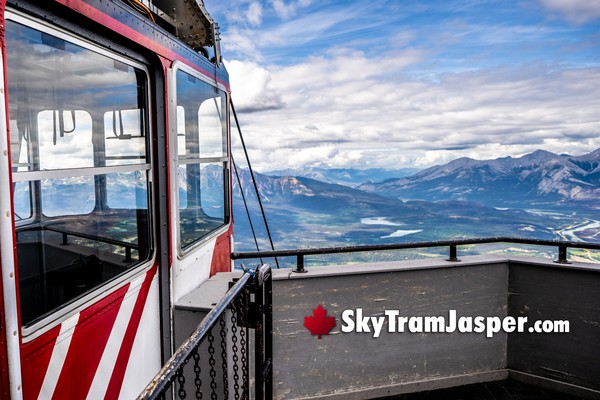
March marks the transition from winter toward spring in Jasper National Park, but the Jasper SkyTram typically remains closed for its annual seasonal shutdown. Although visitors cannot ride to the summit during this time, Whistlers Mountain and the surrounding landscape continue to offer spectacular winter scenery, with snow-covered peaks stretching across the Canadian Rockies.

The upper slopes of Whistlers Mountain remain blanketed in deep snow throughout March, creating dramatic alpine views that can be admired from many locations around the Jasper townsite. As temperatures gradually begin to rise, the mountains sparkle under longer daylight hours while the valleys below remain beautifully covered in snow.

Although the SkyTram is not operating, there is no shortage of nearby attractions to enjoy. Visitors can explore Maligne Canyon's frozen waterfalls, walk along the shores of Pyramid Lake and Patricia Lake, visit Athabasca Falls, or take a scenic drive along the Icefields Parkway. These destinations provide outstanding opportunities to experience Jasper's late-winter beauty.

March is also an excellent time for wildlife viewing. Elk are commonly seen throughout the Jasper townsite, while mule deer, bighorn sheep, moose, coyotes, foxes, and occasionally wolves remain active across the park. The snowy landscape often makes wildlife easier to spot against the surrounding forests and mountain slopes.

Outdoor enthusiasts can still enjoy many winter activities during March. Snowshoeing, cross-country skiing, winter hiking, and skiing at Marmot Basin remain popular, with snow conditions often continuing well into the month. The combination of winter recreation and increasing daylight makes March an enjoyable time to explore the park.

Photographers will appreciate the changing season. Snow-covered peaks, frozen lakes, and clear mountain skies create stunning compositions, while the slightly higher angle of the sun produces softer, warmer light than the depths of winter. Early mornings and late afternoons are especially rewarding for capturing Jasper's spectacular landscapes.

March weather can be unpredictable, with bright sunny days followed by fresh snowfall or colder temperatures. Visitors should dress in layers and be prepared for changing mountain conditions when exploring the park or travelling on nearby highways.

Although the Jasper SkyTram remains closed during March, Jasper National Park continues to offer exceptional mountain scenery, abundant wildlife, and unforgettable winter adventures. The quieter atmosphere and beautiful late-season snow make March an excellent time to experience the natural beauty of the Canadian Rockies before the SkyTram reopens for the summer season. Jasper SkyTram

Jasper Maligne Lake Boat Cruise During March

While the Maligne Lake Boat Cruise does not resume until the warmer months, March remains a wonderful time to experience the area's natural beauty. The frozen lake, snow-covered mountains, abundant wildlife, and peaceful atmosphere provide an unforgettable glimpse of Jasper National Park before spring begins to awaken the landscape.

Jasper Maligne Lake Boat Cruise During March

Jasper Maligne Lake Boat Cruise During March

The Maligne Lake Boat Cruise does not operate during March, as winter conditions continue to keep the lake frozen and the seasonal cruise season has not yet begun. Although visitors cannot travel across the lake to Spirit Island, Maligne Lake remains one of Jasper National Park's most breathtaking destinations, offering peaceful winter scenery and spectacular mountain views.

Throughout March, the lake is typically covered by snow and ice, creating a vast white landscape surrounded by the towering peaks of the Queen Elizabeth Ranges. The famous turquoise waters of summer remain hidden beneath the frozen surface, while snow-covered forests and rugged mountain slopes create a dramatic alpine setting.

Although the boat cruise is unavailable, visitors can still enjoy the beauty of the lakeshore. The day-use area offers stunning views across the frozen lake, making it an ideal place for winter photography, quiet walks, and simply taking in the peaceful surroundings. The longer daylight hours of March provide even more opportunities to appreciate the area's remarkable scenery.

The drive along Maligne Lake Road is one of the highlights of a March visit. The route winds through snow-covered forests, open valleys, and frozen wetlands while offering excellent opportunities to view wildlife. Elk, mule deer, moose, bighorn sheep, coyotes, foxes, wolves, and a variety of birds are frequently seen along the road during late winter.

March is an excellent month for photography. Fresh snow often blankets the surrounding landscape, while clear skies and brighter sunlight illuminate the mountain peaks and frozen shoreline. Sunrise and sunset add warm colours to the snow-covered scenery, creating beautiful conditions for landscape photography.

Although signs of spring begin to appear in the valleys later in the month, winter remains firmly established at Maligne Lake. Cold temperatures, frozen landscapes, and snowy mountain views continue to define the experience, allowing visitors to enjoy the quiet beauty that makes this area so special during the off-season.

Nearby attractions such as Medicine Lake, Maligne Canyon, Pyramid Lake, Patricia Lake, and the Jasper townsite can easily be combined with a visit to Maligne Lake, creating a full day of exploring some of Jasper National Park's most scenic winter destinations.

While the Maligne Lake Boat Cruise does not resume until the warmer months, March remains a wonderful time to experience the area's natural beauty. The frozen lake, snow-covered mountains, abundant wildlife, and peaceful atmosphere provide an unforgettable glimpse of Jasper National Park before spring begins to awaken the landscape. Maligne Lake Boat Cruise

Jasper Columbia Icefields in March

A visit to the Columbia Icefield in March offers a peaceful and awe-inspiring winter experience. Towering glaciers, snow-covered mountains, abundant wildlife, and the incredible scenery of the Icefields Parkway combine to create one of the most memorable destinations in Jasper National Park before the arrival of the summer season.

Jasper Columbia Icefields in March

Jasper Columbia Icefields in March

March is a wonderful time to visit the Columbia Icefield, as winter still dominates the landscape while the days become noticeably longer. Vast glaciers, snow-covered mountain peaks, and sweeping alpine valleys create one of the most spectacular winter destinations in the Canadian Rockies. Although many summer experiences have not yet returned, the scenery alone makes the Columbia Icefield an unforgettable stop.

The Athabasca Glacier remains the centrepiece of the area, stretching down from the Columbia Icefield between towering mountain ridges. Its immense size is even more striking against the surrounding snow-covered landscape, offering visitors an incredible opportunity to witness one of North America's largest accumulations of ice.

During March, the Ice Explorer glacier tours are typically not operating as the attraction prepares for the upcoming summer season. Even without stepping onto the glacier, visitors can enjoy outstanding views from roadside viewpoints and appreciate the immense scale of the icefield from a safe distance.

The Columbia Icefield Discovery Centre is also generally closed for the winter season. However, the surrounding viewpoints continue to provide breathtaking panoramas of the glacier, rugged mountain peaks, and the broad valley carved by thousands of years of glacial movement.

The drive along the Icefields Parkway to the Columbia Icefield is one of the highlights of any March visit. Snow-covered forests, frozen rivers, dramatic mountain passes, and countless scenic viewpoints make the journey every bit as memorable as the destination itself. Stops such as Athabasca Falls, Sunwapta Falls, Tangle Falls, Bow Lake, and Peyto Lake can easily be included along the route.

Wildlife viewing remains excellent throughout March. Bighorn sheep are frequently seen near rocky slopes, while elk, mule deer, moose, coyotes, foxes, wolves, and a variety of birds inhabit the surrounding valleys. As daylight increases, wildlife often becomes more active, providing excellent opportunities for observation and photography.

March is also an exceptional month for landscape photography. Fresh snow highlights the glacier's contours, while bright blue skies and longer daylight hours illuminate the surrounding mountain peaks. Sunrise and sunset often cast warm golden light across the icefield, creating spectacular contrasts between the snow, ice, and rugged rock formations.

Winter driving conditions are still common throughout March. Snowfall, icy pavement, blowing snow, and rapidly changing mountain weather can all affect travel along the Icefields Parkway. Visitors should allow extra travel time, monitor current road conditions, and ensure their vehicle is properly equipped for winter driving.

A visit to the Columbia Icefield in March offers a peaceful and awe-inspiring winter experience. Towering glaciers, snow-covered mountains, abundant wildlife, and the incredible scenery of the Icefields Parkway combine to create one of the most memorable destinations in Jasper National Park before the arrival of the summer season. Jasper Columbia Icefields

Jasper Columbia Icefields Glacier Skywalk During March

Although the Columbia Icefield Glacier Skywalk remains closed during March, the surrounding region continues to deliver one of the most spectacular winter landscapes in the Canadian Rockies. Towering glaciers, dramatic mountain scenery, abundant wildlife, and the unforgettable drive along the Icefields Parkway make this area well worth visiting before the Skywalk reopens for the summer season.

Jasper Columbia Icefields Glacier Skywalk During March

Jasper Columbia Icefields Glacier Skywalk During March

The Columbia Icefield Glacier Skywalk is typically closed during March as winter conditions continue across the Sunwapta Valley. Snow, ice, and freezing temperatures make it unsafe to operate the glass-floored attraction, and it remains closed until the warmer months. Even so, the surrounding landscape is one of the most spectacular winter destinations in Jasper National Park.

March showcases the Columbia Icefield region beneath a blanket of snow, with towering mountain peaks, frozen waterfalls, and glacier-covered valleys stretching across the horizon. The dramatic scenery surrounding the Skywalk is every bit as impressive during late winter, offering visitors unforgettable views while travelling along the Icefields Parkway.

Although visitors cannot access the Skywalk itself, nearby roadside viewpoints provide outstanding panoramas of the Sunwapta Valley and the surrounding mountain ranges. The immense scale of the landscape is especially striking during March, when snow highlights every ridge, cliff, and glacier.

The drive to the Glacier Skywalk is one of the highlights of a March visit. The Icefields Parkway passes through some of the most breathtaking scenery in the Canadian Rockies, with frozen rivers, snow-covered forests, dramatic mountain passes, and countless scenic pullouts along the route. Attractions such as Athabasca Falls, Sunwapta Falls, Tangle Falls, and the Columbia Icefield make excellent stops throughout the journey.

Wildlife remains active throughout the area during March. Bighorn sheep are commonly seen on rocky slopes near the highway, while elk, mule deer, moose, coyotes, foxes, wolves, and a variety of birds inhabit the surrounding valleys. The quiet winter landscape often provides excellent opportunities for wildlife viewing.

March is also an exceptional time for photography. Bright sunshine reflecting off fresh snow, rugged mountain peaks, and glacier-covered valleys creates stunning images throughout the day. The longer daylight hours provide more time to explore the region, while sunrise and sunset often bathe the mountains in warm golden light.

Winter driving conditions continue throughout March, and visitors should be prepared for snow-covered roads, icy sections, and rapidly changing mountain weather. Checking road conditions before travelling, allowing extra travel time, and carrying appropriate winter supplies will help ensure a safe journey along the Icefields Parkway.

Although the Columbia Icefield Glacier Skywalk remains closed during March, the surrounding region continues to deliver one of the most spectacular winter landscapes in the Canadian Rockies. Towering glaciers, dramatic mountain scenery, abundant wildlife, and the unforgettable drive along the Icefields Parkway make this area well worth visiting before the Skywalk reopens for the summer season. Columbia Icefields Glacier Skywalk

Athabasca Falls in Jasper National Park in March

March showcases Athabasca Falls at one of its most dramatic times of year. The combination of powerful flowing water, towering ice formations, snow-covered forests, and spectacular mountain scenery creates an unforgettable experience that captures the rugged beauty of Jasper National Park before spring fully arrives.

Athabasca Falls in Jasper National Park in March

Athabasca Falls in Jasper National Park in March

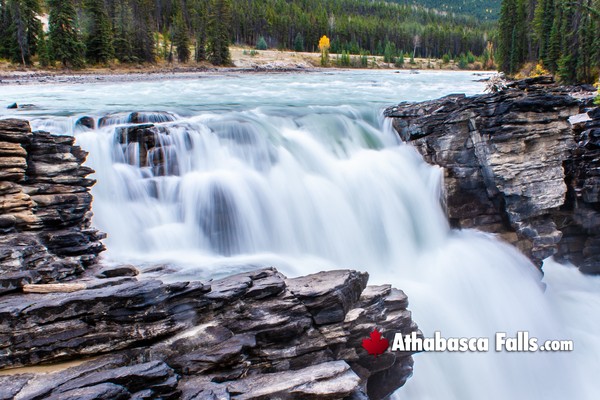
March is an excellent time to visit Athabasca Falls, where the transition from winter to spring creates a spectacular display of ice, snow, and rushing water. Although much of the surrounding landscape remains frozen, the powerful Athabasca River continues to surge through the narrow limestone canyon, making the falls one of Jasper National Park's most impressive natural attractions.

The waterfall remains active throughout the winter, with thousands of litres of glacial water flowing every second beneath towering formations of ice. Thick layers of snow and frozen spray cling to the canyon walls, creating a dramatic contrast between the brilliant white ice and the dark, fast-moving river below.

The network of viewing platforms allows visitors to experience the falls from several different angles. Each viewpoint offers a unique perspective of the powerful water carving through the canyon, while the surrounding snow-covered cliffs and forests provide a breathtaking mountain backdrop. Ice and packed snow are common on the walkways, so sturdy winter footwear with good traction is highly recommended.

March often brings longer daylight hours and occasional milder temperatures, making it a comfortable time to explore the area while still enjoying a true winter landscape. Fresh snowfall remains common, and the surrounding forests continue to sparkle beneath a blanket of snow.

Athabasca Falls is one of the most photographed locations along the Icefields Parkway during March. The combination of rushing water, frozen rock walls, intricate ice formations, and snow-covered mountain scenery creates remarkable photographic opportunities. Morning light and late afternoon sunshine often highlight the textures of the ice while illuminating the surrounding peaks.

Wildlife is active throughout the Athabasca Valley during late winter. Elk, mule deer, bighorn sheep, moose, coyotes, foxes, wolves, and a variety of birds can sometimes be seen along nearby roadsides and open valleys. The snowy landscape often makes animals easier to spot, particularly during the quieter hours of the day.

Athabasca Falls is also an excellent stop when exploring other nearby attractions. Visitors can continue along the Icefields Parkway to Sunwapta Falls, Tangle Falls, the Columbia Icefield, or enjoy scenic drives toward Jasper, where additional viewpoints, lakes, and winter hiking opportunities await.

March showcases Athabasca Falls at one of its most dramatic times of year. The combination of powerful flowing water, towering ice formations, snow-covered forests, and spectacular mountain scenery creates an unforgettable experience that captures the rugged beauty of Jasper National Park before spring fully arrives. Athabasca Falls

Jasper's Spirit Island During March

While visitors must wait until the warmer months to stand at Spirit Island itself, March offers a rare opportunity to experience the quiet side of Maligne Lake. The frozen landscape, abundant wildlife, and breathtaking mountain scenery combine to create a memorable late-winter adventure in the Canadian Rockies.

Jasper's Spirit Island During March

Jasper's Spirit Island During March

Spirit Island remains inaccessible during March, as Maligne Lake is still frozen and the seasonal boat cruises have not yet resumed. Although visitors cannot reach the island, the surrounding landscape offers a breathtaking display of late-winter beauty. Snow-covered mountains, frozen waters, and peaceful forests create one of the most serene and picturesque settings in Jasper National Park.

Throughout March, Maligne Lake is typically still covered in ice and snow, with only subtle signs that spring is approaching. The towering peaks of the Queen Elizabeth Ranges surround the frozen lake, creating dramatic alpine scenery that stretches for kilometres in every direction. The quiet atmosphere allows visitors to experience one of the park's most iconic locations without the crowds of summer.

The lakeshore near the day-use area provides outstanding views across the frozen expanse of Maligne Lake. Visitors can enjoy leisurely walks, admire the surrounding mountain scenery, and take in the peaceful beauty of the area while breathing in the crisp mountain air. The longer daylight hours of March make it easier to spend time exploring and enjoying the spectacular surroundings.

The drive along Maligne Lake Road is one of the highlights of a March visit. Snow-covered forests, frozen wetlands, and open valleys create a scenic journey through the heart of Jasper National Park. Wildlife is frequently seen along the route, including elk, mule deer, moose, bighorn sheep, coyotes, foxes, wolves, and a variety of birds that remain active during the late winter season.

March is an excellent time for photography around Maligne Lake. Fresh snow often blankets the landscape, while bright blue skies and longer daylight hours illuminate the surrounding mountain peaks. Sunrise and sunset frequently paint the snow with warm shades of gold and pink, creating unforgettable scenes throughout the valley.

Although Spirit Island cannot be reached until the boat cruises resume later in the spring, the surrounding area still offers an incredible winter experience. The peaceful atmosphere, pristine snow-covered landscape, and spectacular mountain views allow visitors to appreciate the natural beauty that has made this location famous around the world.

Nearby attractions such as Medicine Lake, Maligne Canyon, Pyramid Lake, Patricia Lake, and the Jasper townsite can easily be combined with a visit to Maligne Lake, creating a full day of exploring some of Jasper National Park's most scenic locations.

While visitors must wait until the warmer months to stand at Spirit Island itself, March offers a rare opportunity to experience the quiet side of Maligne Lake. The frozen landscape, abundant wildlife, and breathtaking mountain scenery combine to create a memorable late-winter adventure in the Canadian Rockies. Spirit Island

Sunwapta Falls in Jasper National Park in March

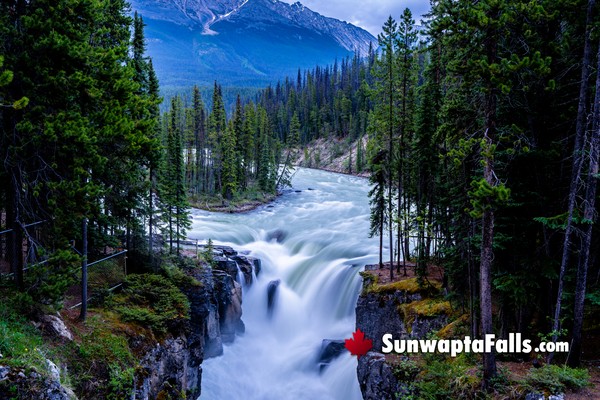
Sunwapta Falls in March offers an unforgettable blend of winter beauty and the first hints of seasonal change. Powerful rushing water, towering ice formations, breathtaking mountain scenery, and the peaceful atmosphere of the Canadian Rockies make it one of Jasper National Park's finest destinations during late winter.

Sunwapta Falls in Jasper National Park in March

Sunwapta Falls in Jasper National Park in March

March is a spectacular time to visit Sunwapta Falls, as the landscape begins its gradual transition from winter toward spring. The powerful Sunwapta River continues flowing beneath towering ice formations, creating a dramatic contrast between rushing glacial water and the frozen canyon. The combination of snow, ice, and moving water makes this one of the most impressive waterfall experiences in Jasper National Park.

The falls remain partially surrounded by thick ice and snow throughout March. Massive blue and white ice formations cling to the canyon walls, while the river crashes through the narrow gorge below. As temperatures slowly begin to rise later in the month, small changes in the ice create an ever-changing landscape that is different with every visit.

The main viewing platform provides outstanding views of the waterfall and the surrounding canyon. From here, visitors can watch the force of the Athabasca Glacier-fed river as it cuts through ancient limestone while enjoying panoramic views of the snow-covered forests and mountain peaks that surround the falls. Winter footwear with good traction is recommended, as pathways may remain icy.

The drive along the Icefields Parkway to Sunwapta Falls is one of the highlights of a March visit. Snow-covered valleys, frozen rivers, towering mountain ranges, and glacier-fed landscapes line the highway, making every kilometre part of the adventure. Nearby attractions such as Athabasca Falls, Tangle Falls, and the Columbia Icefield are easily combined into a full day of sightseeing.

March is an exceptional month for photography. The contrast between brilliant white snow, deep blue ice, dark canyon walls, and the emerald-green river creates stunning images. Longer daylight hours provide more opportunities to capture the falls under changing light, while sunrise and sunset often cast a warm glow across the surrounding mountains.

Wildlife remains active throughout the area during late winter. Elk, mule deer, bighorn sheep, moose, coyotes, foxes, wolves, and a variety of birds may be seen along the Icefields Parkway and nearby valleys. The quieter season and snow-covered landscape often make wildlife easier to observe.

March weather can still be very wintry despite the approaching spring. Snowfall, icy roads, freezing temperatures, and rapidly changing mountain conditions are common. Visitors should dress warmly, wear appropriate footwear, and check road conditions before travelling along the Icefields Parkway.

Sunwapta Falls in March offers an unforgettable blend of winter beauty and the first hints of seasonal change. Powerful rushing water, towering ice formations, breathtaking mountain scenery, and the peaceful atmosphere of the Canadian Rockies make it one of Jasper National Park's finest destinations during late winter. Sunwapta Falls

Camping in Jasper During March

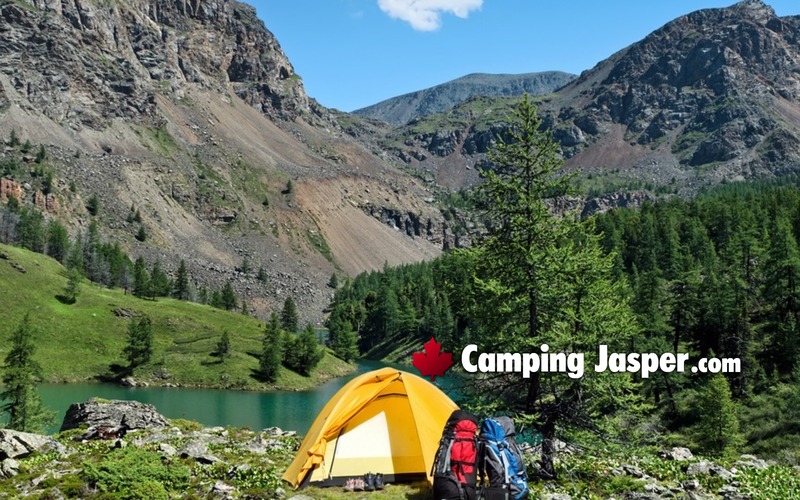
Camping in Jasper during March combines the beauty of winter with the first signs of spring. Snow-covered mountains, peaceful campgrounds, abundant wildlife, and longer daylight hours create a memorable outdoor adventure for visitors looking to experience the Canadian Rockies before the busy summer season begins.

Camping in Jasper During March

Camping in Jasper During March

March offers a unique camping experience in Jasper National Park as winter slowly begins to transition toward spring. Snow still blankets much of the landscape, frozen lakes remain a familiar sight, and the surrounding mountain peaks are covered in deep snow. With fewer visitors than the busy summer months, campers can enjoy exceptional peace, quiet, and spectacular scenery throughout the park.

Most campgrounds remain closed during March, although a limited number of winter camping sites are typically available. These provide a convenient base for exploring Jasper's late-winter attractions while allowing visitors to experience the park in one of its quietest seasons. Checking current campground availability and conditions before travelling is recommended.

Camping in March still requires proper winter equipment. Overnight temperatures frequently remain well below freezing, particularly during the first half of the month. A four-season tent, insulated sleeping bag, warm layered clothing, insulated sleeping pad, and reliable cooking equipment are essential for a safe and comfortable stay.

March offers excellent opportunities for outdoor recreation directly from camp. Winter hiking, snowshoeing, cross-country skiing, wildlife viewing, photography, and scenic drives remain popular throughout the park. As daylight hours grow longer, visitors have more time to explore Jasper's beautiful winter landscapes each day.

Wildlife continues to be active during March. Elk are commonly seen around the Jasper townsite, while mule deer, bighorn sheep, moose, coyotes, foxes, wolves, and a variety of birds remain active throughout the valleys and forests. Campers should always store food securely and observe wildlife from a respectful distance.

One of the highlights of camping in March is the night sky. Jasper National Park is part of one of the world's largest accessible Dark Sky Preserves, offering outstanding stargazing when skies are clear. Thousands of stars fill the sky, and on favourable nights, the northern lights may appear, creating an unforgettable camping experience.

Many of Jasper's most famous attractions remain spectacular during March. Athabasca Falls, Sunwapta Falls, Maligne Canyon, Pyramid Lake, Patricia Lake, Medicine Lake, and the Icefields Parkway all showcase remarkable late-winter scenery and can easily be explored during a camping trip.

March weather can vary considerably, with bright sunshine one day and fresh snowfall the next. Campers should be prepared for changing mountain conditions and pack clothing suitable for both cold mornings and slightly milder daytime temperatures.

Camping in Jasper during March combines the beauty of winter with the first signs of spring. Snow-covered mountains, peaceful campgrounds, abundant wildlife, and longer daylight hours create a memorable outdoor adventure for visitors looking to experience the Canadian Rockies before the busy summer season begins. Jasper Camping

Hiking Jasper in March

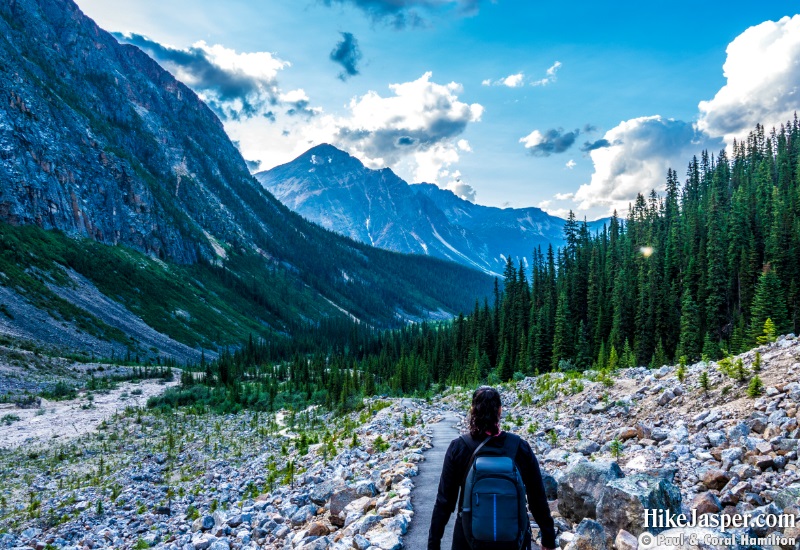
Hiking in Jasper during March offers the best of late winter. Frozen waterfalls, snow-covered trails, abundant wildlife, crisp mountain air, and spectacular alpine scenery create an unforgettable experience while the park quietly begins its transition toward spring.

Hiking Jasper in March

Hiking Jasper in March

March is a fantastic time to go hiking in Jasper National Park as winter gradually gives way to spring. Snow still blankets much of the landscape, frozen waterfalls remain spectacular, and the longer daylight hours allow visitors to spend more time exploring the park's incredible mountain scenery. The quieter trails and peaceful atmosphere make March an especially rewarding month for outdoor adventures.

Most high-elevation trails remain buried beneath deep snow and are often located in avalanche terrain, making them unsuitable for typical hiking. Instead, visitors usually enjoy lower-elevation routes that follow river valleys, circle frozen lakes, or wind through snow-covered forests. These trails provide outstanding scenery while remaining more accessible during late winter.

Some of the best hikes during March include Maligne Canyon, Valley of the Five Lakes, Old Fort Point, Pyramid Lake, Patricia Lake, Lake Annette, Lake Edith, and riverside trails near the Jasper townsite. These routes feature frozen waterfalls, dramatic canyon views, snow-covered forests, and panoramic mountain landscapes that remain beautiful throughout the month.

Maligne Canyon is one of Jasper's premier March destinations. The canyon is still filled with impressive ice formations while rushing water continues beneath the frozen surface. Visitors can hike the maintained trail above the canyon or join a guided ice walk to experience the frozen canyon floor before warmer spring temperatures begin changing the landscape.

March hiking conditions can vary throughout the month. Trails are often covered with packed snow and icy sections, particularly during the morning hours. Waterproof hiking boots, warm layered clothing, gloves, and traction devices such as ice cleats are highly recommended for comfort and safety.

Wildlife is active across the park during March. Elk are commonly seen near the Jasper townsite, while mule deer, bighorn sheep, moose, coyotes, foxes, wolves, and a variety of birds remain active in surrounding valleys and forests. The snowy landscape often makes wildlife easier to spot, providing excellent opportunities for photography while maintaining a safe distance.

As spring approaches, daylight continues to increase, giving hikers more flexibility to enjoy longer outings. Even so, mountain weather can change quickly, with sunshine, snowfall, and cold temperatures all possible on the same day. Carrying extra clothing, water, snacks, and a headlamp remains a wise precaution.

Hiking in Jasper during March offers the best of late winter. Frozen waterfalls, snow-covered trails, abundant wildlife, crisp mountain air, and spectacular alpine scenery create an unforgettable experience while the park quietly begins its transition toward spring. Hike Jasper

Banff Gondola During March

The surrounding area offers plenty to explore before or after the gondola ride. Nearby attractions include the Banff Upper Hot Springs, Cave and Basin, Vermilion Lakes, Bow Falls, and the lively streets of downtown Banff. Together, they make it easy to create a full day of sightseeing and outdoor adventure.

Banff Gondola During March

Banff Gondola During March

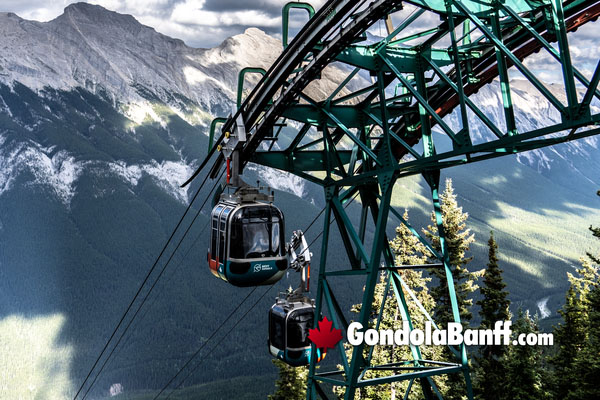
March is a wonderful time to experience the Banff Gondola as winter continues across Sulphur Mountain while the days become noticeably longer. Snow-covered forests, towering mountain peaks, and panoramic views of the Bow Valley create an unforgettable alpine experience. The combination of winter scenery and increasing daylight makes March one of the most rewarding months to visit.

The eight-minute gondola ride climbs high above the forest, revealing breathtaking views that become more expansive with every passing minute. Visitors can watch the Banff townsite, Bow River, and surrounding mountain ranges unfold below while the snow-covered slopes of Mount Rundle, Cascade Mountain, and Tunnel Mountain dominate the landscape.

At the summit, multiple observation decks provide sweeping views across six mountain ranges. The boardwalk leading to Sanson's Peak remains one of the highlights of the visit, winding through a beautiful alpine environment with spectacular viewpoints overlooking the Bow Valley. Snow and ice are still common in March, so warm clothing and footwear with good traction are recommended.

Inside the summit complex, visitors can explore interactive exhibits that showcase the history, geology, wildlife, and ecology of Sulphur Mountain and Banff National Park. The historic weather station and stories of Norman Sanson offer fascinating insights into the mountain's rich history while large panoramic windows continue to frame incredible views of the surrounding peaks.

March is also an excellent time to enjoy the summit's restaurants and cafés. Whether relaxing with a hot drink, enjoying a casual meal, or dining while overlooking the snow-covered mountains, the combination of comfort and scenery adds another memorable element to the experience.

The surrounding area offers plenty to explore before or after the gondola ride. Nearby attractions include the Banff Upper Hot Springs, Cave and Basin, Vermilion Lakes, Bow Falls, and the lively streets of downtown Banff. Together, they make it easy to create a full day of sightseeing and outdoor adventure.

Wildlife is occasionally visible from both the gondola and the summit. Elk and mule deer are often seen in the Bow Valley below, while bighorn sheep may appear on nearby mountain slopes. Ravens are regular visitors around the summit, soaring effortlessly through the mountain air.

March also brings longer daylight hours, allowing visitors to enjoy both daytime mountain views and spectacular evening scenery. As the sun sets, the snow-covered peaks glow with warm colours before the lights of Banff begin to sparkle across the valley below. The peaceful atmosphere, breathtaking alpine scenery, and unforgettable views make March an exceptional time to experience the Banff Gondola. Banff Gondola

Golden Skybridge in March

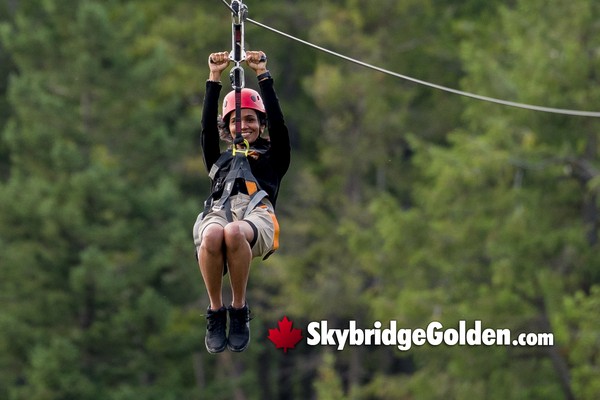
Although the Golden Skybridge is typically not yet open during March, the surrounding region remains a spectacular destination. Scenic mountain drives, abundant winter recreation, remarkable wildlife, and breathtaking alpine landscapes make Golden an excellent place to experience the final weeks of winter before the attraction reopens for the warmer season.

Golden Skybridge in March

Golden Skybridge in March

March marks the transition from winter to spring at the Golden Skybridge. While the attraction is typically still closed for the season, the surrounding mountain landscape remains breathtaking. Snow-covered forests, dramatic canyon walls, frozen waterfalls, and towering peaks create a spectacular setting that showcases the natural beauty of the Columbia Valley.

The suspension bridges and adventure attractions are generally not open during March as the area continues to experience winter conditions. Snow and ice remain common throughout the canyon, and preparations are underway for the return of visitors later in the spring. Although the bridges cannot usually be accessed, the scenery surrounding the attraction is still well worth experiencing.

The drive through Golden is one of the highlights of a March visit. The Trans-Canada Highway passes through magnificent mountain valleys surrounded by the Purcell and Rocky Mountains, with snow-covered peaks providing spectacular views in every direction. As temperatures gradually begin to warm, visitors can enjoy longer daylight hours while still experiencing beautiful winter landscapes.

Nearby outdoor recreation remains popular throughout March. Snowshoeing, cross-country skiing, downhill skiing, snowmobiling, and winter hiking continue to attract visitors to the region. The nearby ski resorts often enjoy excellent late-season snow conditions, making March one of the best months for winter sports.

Wildlife is active as winter slowly gives way to spring. Deer, elk, bighorn sheep, coyotes, and a variety of birds are commonly seen throughout the valleys and forested areas surrounding Golden. As daylight increases, wildlife often becomes more active, providing excellent opportunities for photography and observation.

March offers outstanding conditions for landscape photography. Fresh snow still blankets much of the region, while longer days and stronger sunlight create beautiful contrasts between the white mountains, dark forests, and blue skies. Sunrise and sunset frequently cast warm golden light across the surrounding peaks, producing unforgettable mountain scenes.

Weather during March can vary considerably. Bright, sunny days may be followed by fresh snowfall or freezing overnight temperatures. Visitors should be prepared for changing mountain conditions, especially when travelling through high-elevation areas or exploring nearby outdoor attractions.

Although the Golden Skybridge is typically not yet open during March, the surrounding region remains a spectacular destination. Scenic mountain drives, abundant winter recreation, remarkable wildlife, and breathtaking alpine landscapes make Golden an excellent place to experience the final weeks of winter before the attraction reopens for the warmer season. Golden Skybridge

Banff Lake Minnewanka Boat Cruise in March

While the Lake Minnewanka Boat Cruise returns with the warmer months, March offers its own unique charm. Frozen landscapes, abundant wildlife, quiet lakeshores, and spectacular mountain scenery make Lake Minnewanka a memorable destination and a beautiful place to experience the final weeks of winter in Banff National Park.

Lake Minnewanka Boat Cruise in March

Banff Lake Minnewanka Boat Cruise in March

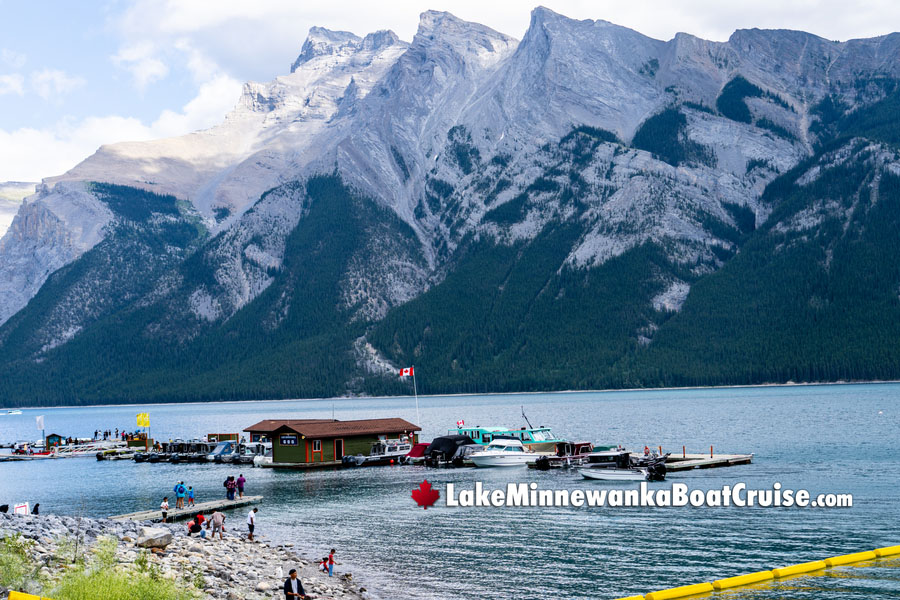
The Lake Minnewanka Boat Cruise does not operate during March, as the lake remains frozen and winter conditions continue across the Bow Valley. Although visitors cannot explore the lake by boat, Lake Minnewanka is still one of the most scenic places to visit in Banff National Park, offering breathtaking mountain views, peaceful winter landscapes, and excellent opportunities for sightseeing.

Throughout March, the lake is typically covered in snow and ice, creating a stunning alpine panorama surrounded by rugged mountain peaks and evergreen forests. As daylight hours become longer, the frozen landscape glows beneath the spring sunshine while winter continues to dominate the higher elevations.

Visitors can still enjoy the shoreline and take in spectacular views across the frozen lake. Walking along the lakeside offers a chance to appreciate the quiet beauty of the area, with snow-covered mountains reflected in the surrounding landscape. The peaceful atmosphere makes March an ideal time for photography and enjoying the natural surroundings without the crowds of summer.

The scenic drive to Lake Minnewanka is a highlight of any March visit. Snow-covered forests, mountain valleys, and nearby lakes create beautiful scenery along the route. Wildlife is frequently seen in the area, making the drive just as memorable as the destination itself.

March is an excellent month for wildlife viewing around Lake Minnewanka. Elk, mule deer, bighorn sheep, coyotes, foxes, and a variety of birds are often spotted along the access road and surrounding valleys. As spring gradually approaches, animals become increasingly active while continuing to rely on the park's winter habitat.

Although the boat cruise is unavailable, visitors can enjoy a variety of outdoor activities nearby. Winter hiking, snowshoeing, photography, and scenic drives remain popular throughout the month. Depending on weather conditions later in March, visitors may also notice the first subtle signs of spring beginning to appear in lower elevations.

Lake Minnewanka is conveniently located near several of Banff National Park's most popular attractions. Cascade Ponds, Two Jack Lake, the Banff Gondola, Banff Upper Hot Springs, Vermilion Lakes, and the Banff townsite are all within easy reach, making it simple to combine several destinations into a full day of exploring.

While the Lake Minnewanka Boat Cruise returns with the warmer months, March offers its own unique charm. Frozen landscapes, abundant wildlife, quiet lakeshores, and spectacular mountain scenery make Lake Minnewanka a memorable destination and a beautiful place to experience the final weeks of winter in Banff National Park. Banff Lake Minnewanka Boat Cruise

March at Abraham Lake

March offers a remarkable combination of late-winter beauty and the first hints of spring at Abraham Lake. Frozen methane bubbles, spectacular mountain scenery, peaceful surroundings, and longer daylight hours create an unforgettable experience before the lake begins its seasonal transformation.

March at Abraham Lake

March at Abraham Lake

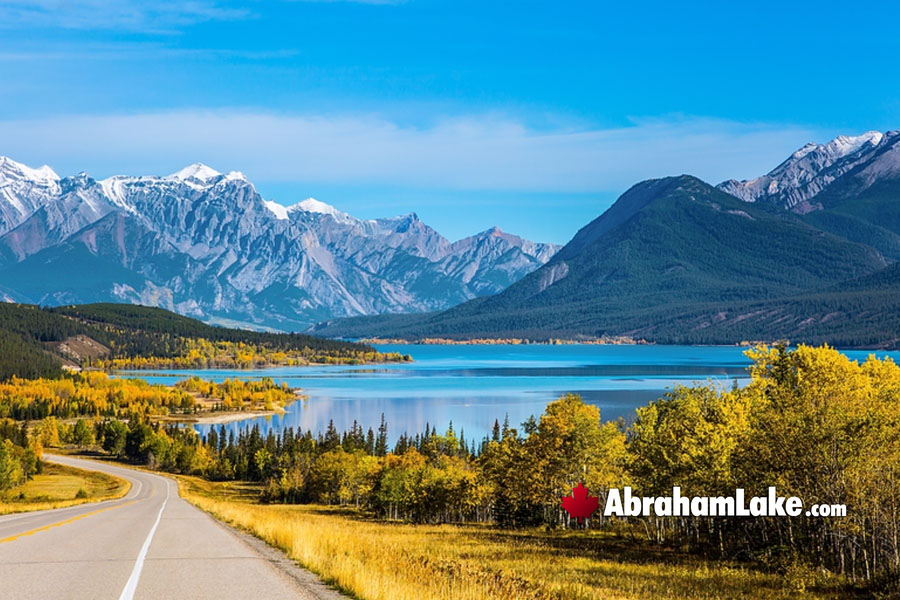
March is one of the most fascinating times to visit Abraham Lake, as winter begins its gradual transition toward spring while the lake remains a spectacular frozen landscape. The world-famous methane ice bubbles are often still visible beneath the clear ice, attracting photographers and outdoor enthusiasts eager to experience one of Alberta's most unique natural wonders.

The frozen lake continues to offer breathtaking views throughout much of March. Thousands of white methane bubbles remain trapped beneath the ice, creating intricate patterns that appear suspended below the surface. Depending on weather conditions, the ice may begin to change later in the month, making early March one of the best times to witness this remarkable phenomenon.

Towering mountain peaks surround the lake, with Mount Michener providing a dramatic backdrop to the frozen landscape. Snow-covered ridges, evergreen forests, and wide-open valleys create spectacular panoramic views in every direction. The combination of mountains, ice, and open skies makes Abraham Lake one of the most scenic winter destinations in the Canadian Rockies.

The drive along the David Thompson Highway is a highlight of any March visit. Snow-covered forests, frozen rivers, rugged cliffs, and sweeping mountain vistas line the route, offering countless opportunities to stop and admire the scenery. Longer daylight hours allow visitors to enjoy more of the journey while exploring the region.

March is an outstanding month for photography. The clear ice, striking methane bubbles, brilliant blue skies, and snow-covered mountains create unforgettable images. Sunrise and sunset often bathe the landscape in warm golden and pink light, producing dramatic contrasts against the frozen lake and surrounding peaks.

Visitors continue to enjoy winter activities around the lake, including walking along the shoreline, photography, and exploring designated areas of the ice when conditions are safe. As temperatures begin to fluctuate later in the month, ice conditions can change quickly, so visitors should always use caution and avoid venturing onto the lake unless it has been confirmed to be safe.

Wildlife remains active throughout the surrounding valleys during March. Bighorn sheep are commonly seen along the highway, while elk, mule deer, coyotes, foxes, and occasionally wolves may also be spotted. The quieter season provides excellent opportunities to observe wildlife against the snow-covered landscape.

March offers a remarkable combination of late-winter beauty and the first hints of spring at Abraham Lake. Frozen methane bubbles, spectacular mountain scenery, peaceful surroundings, and longer daylight hours create an unforgettable experience before the lake begins its seasonal transformation. Abraham Lake

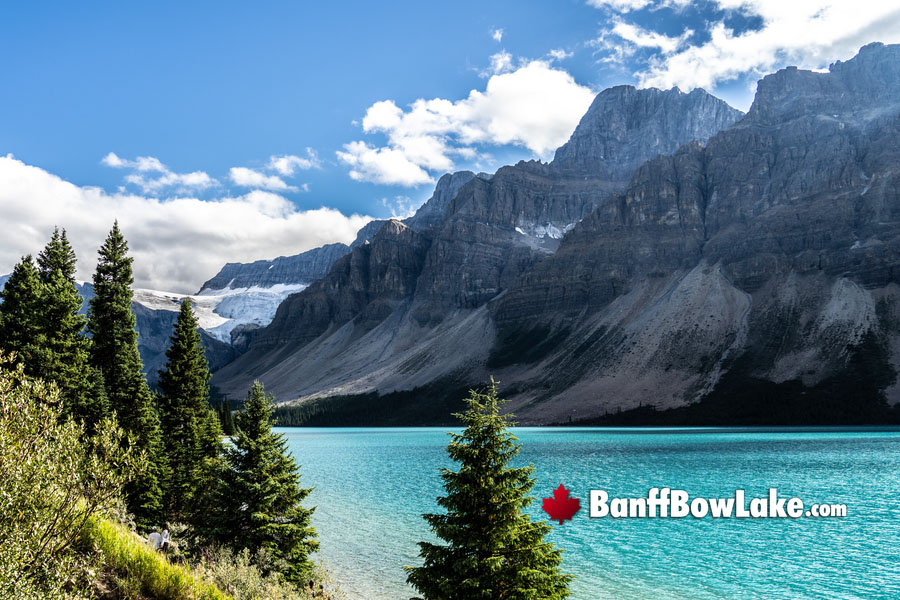
Banff Bow Lake in March

March showcases Bow Lake in a season of quiet beauty. Frozen waters, snow-covered mountains, glacier views, abundant wildlife, and the unforgettable drive along the Icefields Parkway combine to create a memorable late-winter experience before the landscape begins its transition into spring.

Banff Bow Lake in March

Banff Bow Lake in March

March is a beautiful time to visit Bow Lake as winter slowly begins to give way to spring. The lake remains largely frozen, while the surrounding mountains, glaciers, and forests continue to be covered in deep snow. With longer daylight hours and fewer visitors than the busy summer season, March offers a peaceful opportunity to experience one of the most scenic locations along the Icefields Parkway.

The frozen surface of Bow Lake creates a stunning contrast against the rugged peaks that surround it. Crowfoot Mountain and Crowfoot Glacier dominate the landscape, while snow-covered forests frame the shoreline. On clear days, the crisp mountain air provides exceptional visibility, allowing visitors to fully appreciate the dramatic alpine scenery.

The journey to Bow Lake along the Icefields Parkway is one of the highlights of a March visit. Snow-covered valleys, frozen rivers, towering cliffs, and glacier-fed landscapes make every kilometre of the drive memorable. As daylight increases throughout the month, visitors have more time to stop at viewpoints and enjoy the breathtaking scenery.

March is an outstanding month for photography. Fresh snow, frozen shorelines, and the dramatic backdrop of glaciers and mountain peaks create incredible images throughout the day. Early mornings often offer calm conditions and beautiful light, while sunset can paint the surrounding mountains with warm shades of gold and pink.

Although most hiking trails remain covered in snow, visitors can still enjoy short walks near the lakeshore and designated viewpoints. The peaceful winter atmosphere, combined with the spectacular mountain scenery, makes Bow Lake an ideal place to pause and appreciate the natural beauty of Banff National Park.

Wildlife is occasionally seen throughout the Bow Lake area during March. Bighorn sheep are commonly spotted on nearby rocky slopes, while elk, mule deer, coyotes, foxes, and a variety of birds can often be found along the Icefields Parkway. As winter begins to ease, wildlife activity gradually increases in the surrounding valleys.

Bow Lake also serves as an excellent stop when exploring other nearby attractions. Peyto Lake, Waterfowl Lakes, Mistaya Canyon, the Columbia Icefield, Athabasca Falls, and Sunwapta Falls are all within a scenic drive, making it easy to experience several of the Canadian Rockies' most spectacular destinations in one day.

March showcases Bow Lake in a season of quiet beauty. Frozen waters, snow-covered mountains, glacier views, abundant wildlife, and the unforgettable drive along the Icefields Parkway combine to create a memorable late-winter experience before the landscape begins its transition into spring. Banff Bow Lake

Jasper Wildlife During March

March offers an outstanding wildlife experience in Jasper National Park. Snow-covered landscapes, increasing animal activity, longer daylight hours, and the chance to see some of the Canadian Rockies' most iconic species make it one of the most rewarding months for wildlife enthusiasts and photographers alike.

Jasper Wildlife During March

Jasper Wildlife During March

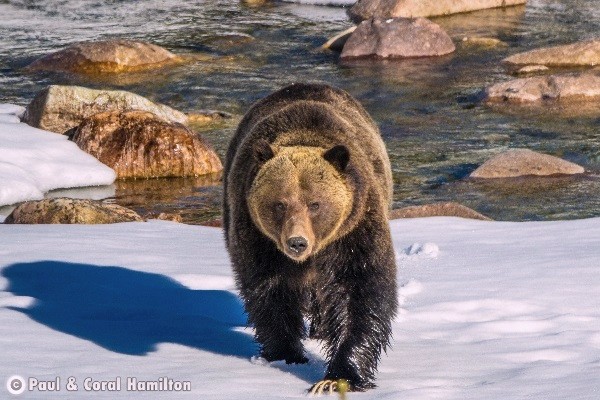
March is one of the best months to observe wildlife in Jasper National Park. As winter gradually gives way to spring, many animals become more active while snow still covers much of the landscape, making them easier to spot. The combination of longer daylight hours and quieter surroundings creates excellent opportunities to experience the park's remarkable wildlife.

Elk are among the most frequently seen animals during March. Large herds can often be found grazing around the Jasper townsite, open meadows, and river valleys as they take advantage of exposed vegetation. Their thick winter coats help them withstand the lingering cold while they prepare for the changing season.

Mule deer remain active throughout the park and are commonly seen along forest edges and open hillsides. Moose are also easier to spot during late winter, particularly near willow-covered wetlands and sheltered valleys where they browse on shrubs and young trees.

Bighorn sheep are another highlight of a March visit. They are often found on rocky slopes and along highways where the wind has cleared away snow, exposing grasses and other vegetation. Their impressive horns and agility on steep terrain make them one of Jasper's most photographed wildlife species.

Predators continue to roam the park during March. Coyotes are frequently seen hunting in open fields and frozen river valleys, while wolves travel across large territories in search of prey. Although wolf sightings remain uncommon, March offers one of the better opportunities to spot tracks in the snow or occasionally see a pack moving through the landscape.

Red foxes are also active during late winter. Their bright reddish coats stand out against the white snow as they search for small mammals hidden beneath the surface. Watching a fox leap into the snow in pursuit of prey is one of Jasper's memorable wildlife experiences.

Birdlife becomes increasingly active as spring approaches. Ravens, Canada jays, woodpeckers, chickadees, Clark's nutcrackers, bald eagles, and other resident species are commonly seen throughout the park. As temperatures gradually warm later in the month, the first returning migratory birds may also begin to appear.

Some of the best places to look for wildlife in March include the Jasper townsite, Pyramid Lake, Patricia Lake, Medicine Lake Road, Maligne Lake Road, the Athabasca Valley, and the Icefields Parkway. Early morning and late afternoon remain the best times to observe animals when they are often feeding or travelling through open areas.

Visitors should always respect wildlife by keeping a safe distance and never feeding or approaching animals. March is an important time as many species recover from the challenges of winter and begin preparing for spring, making responsible wildlife viewing especially important.

March offers an outstanding wildlife experience in Jasper National Park. Snow-covered landscapes, increasing animal activity, longer daylight hours, and the chance to see some of the Canadian Rockies' most iconic species make it one of the most rewarding months for wildlife enthusiasts and photographers alike. Canadian Rockies Wildlife Wildlife On Video

Jasper Icefields Parkway During March

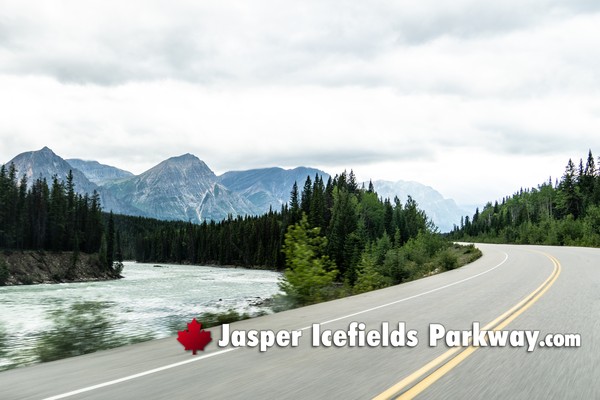
Driving the Icefields Parkway during March is an unforgettable experience. Frozen waterfalls, towering glaciers, abundant wildlife, pristine snow-covered scenery, and some of the finest mountain views in North America combine to create an extraordinary late-winter adventure through the heart of Jasper National Park.

Jasper Icefields Parkway During March

Jasper Icefields Parkway During March

March is one of the most rewarding times to drive the Icefields Parkway from Jasper. Winter still firmly blankets the landscape, but longer daylight hours and the first hints of spring make exploring this world-famous highway especially enjoyable. Snow-covered mountains, frozen waterfalls, glacier-fed valleys, and abundant wildlife create unforgettable scenery along every stretch of the route.

The parkway offers spectacular mountain views throughout March. Towering peaks rise above snow-covered forests, while glaciers remain brilliant white against deep blue skies on clear days. Fresh snowfall often transforms the landscape overnight, creating postcard-worthy scenery around nearly every bend.

Many of the Icefields Parkway's most famous attractions remain stunning during March. Athabasca Falls continues to thunder beneath layers of ice, while Sunwapta Falls is surrounded by impressive frozen formations. Tangle Falls often freezes into a beautiful wall of ice, and viewpoints overlooking glaciers and mountain valleys provide incredible opportunities for photography.

The Columbia Icefield remains one of the highlights of the drive. Although the Ice Explorer tours and Glacier Skywalk are generally not operating during March, visitors can still enjoy breathtaking views of the Athabasca Glacier from roadside viewpoints. The massive icefield dominates the landscape and provides one of the most impressive mountain scenes in the Canadian Rockies.

Wildlife viewing is excellent during March as animals become increasingly active with the arrival of longer days. Elk, bighorn sheep, mule deer, moose, coyotes, foxes, and occasionally wolves can be seen along the highway and in nearby valleys. Bald eagles, ravens, Canada jays, and other birds are also commonly spotted throughout the parkway.

March is an exceptional month for photography. Snow-covered peaks, frozen rivers, dramatic ice formations, and brilliant alpine light create spectacular images throughout the day. Clear mornings often provide outstanding visibility, while sunrise and sunset cast warm colours across the surrounding mountains and glaciers.

Road conditions can vary considerably throughout March. While the Icefields Parkway remains open year-round, visitors should be prepared for snow-covered pavement, icy sections, blowing snow, and rapidly changing mountain weather. Winter tires are strongly recommended, and checking road conditions before departing is always a good idea.

March also offers a quieter experience than the busy summer season. With fewer vehicles on the road, visitors can enjoy peaceful viewpoints, uncrowded photo stops, and a greater sense of wilderness while travelling through one of Canada's most spectacular mountain landscapes.

Driving the Icefields Parkway during March is an unforgettable experience. Frozen waterfalls, towering glaciers, abundant wildlife, pristine snow-covered scenery, and some of the finest mountain views in North America combine to create an extraordinary late-winter adventure through the heart of Jasper National Park. Jasper Icefields Parkway

Johnston Canyon During March

A visit to Johnston Canyon in March offers a unique blend of winter beauty and the approaching spring season. Frozen waterfalls, dramatic canyon scenery, peaceful trails, and unforgettable mountain landscapes make it one of Banff National Park's most rewarding destinations during late winter.

Johnston Canyon During March

Johnston Canyon During March

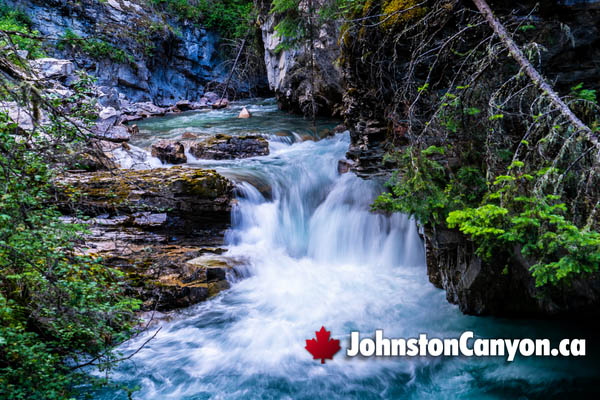
March is one of the most scenic times to visit Johnston Canyon, as winter still holds the canyon in its grip while the first signs of spring begin to appear. Frozen waterfalls, towering limestone cliffs, and the rushing creek create a dramatic landscape where ice and flowing water exist side by side. With longer daylight hours and fewer visitors than the busy summer months, March offers a peaceful and memorable hiking experience.

The trail to the Lower and Upper Falls remains accessible throughout March and is one of the most popular winter walks in Banff National Park. Elevated catwalks attached to the canyon walls provide spectacular views of the rushing creek below, while snow-covered forests surround the winding pathway. The unique perspective from the catwalks makes the canyon feel even more dramatic during the winter season.

The Lower Falls are especially impressive in March. Massive blue-white ice formations surround the waterfall while water continues to flow through the centre, creating a striking contrast between frozen and moving water. The small viewing tunnel often remains accessible, allowing visitors to experience the waterfall from an unforgettable vantage point.

The Upper Falls continue to showcase some of the canyon's most dramatic winter scenery. Thick columns of ice surround the falls, while the powerful stream continues carving its way through the canyon beneath the frozen surface. Depending on temperatures, the ice formations may begin to show subtle signs of seasonal change later in the month while still maintaining their impressive appearance.

March trail conditions can vary from packed snow to icy sections, particularly in shaded areas of the canyon. Ice cleats or traction devices are highly recommended, providing extra stability on slippery surfaces and making the hike much more comfortable and enjoyable.

Wildlife remains active around Johnston Canyon throughout March. Elk, mule deer, coyotes, foxes, and a variety of birds are occasionally seen near the trailhead and along the Bow Valley Parkway. Although wildlife sightings are never guaranteed, the quieter season often creates excellent opportunities to observe animals in their natural habitat.

Johnston Canyon is easily combined with other nearby attractions for a full day of exploring. Castle Mountain, Lake Louise, Vermilion Lakes, the Banff Gondola, and Lake Minnewanka are all within a comfortable drive, making Johnston Canyon an excellent stop on a scenic tour through Banff National Park.

March is also an excellent time for photography. Snow-covered trees, frozen waterfalls, crystal-clear ice, and the deep canyon walls create spectacular compositions throughout the trail. Early mornings often provide soft light and quiet conditions, while sunny afternoons bring beautiful contrasts between the sparkling ice and the flowing creek.

A visit to Johnston Canyon in March offers a unique blend of winter beauty and the approaching spring season. Frozen waterfalls, dramatic canyon scenery, peaceful trails, and unforgettable mountain landscapes make it one of Banff National Park's most rewarding destinations during late winter. Johnston Canyon

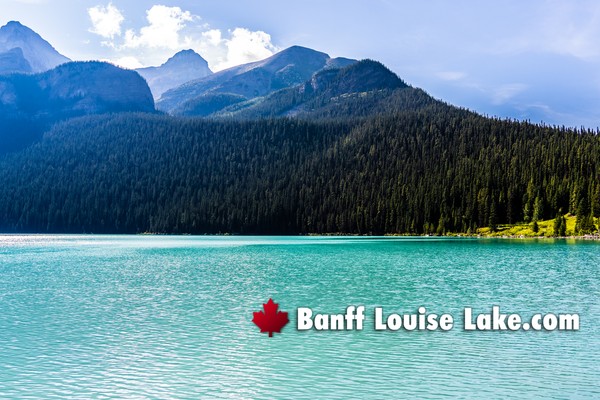
Lake Louise in March

March is one of the best months for photography at Lake Louise. Snow-covered forests, frozen reflections, towering peaks, and the impressive Victoria Glacier create breathtaking images throughout the day. Sunrise brings soft golden light across the mountains, while sunset often paints the surrounding peaks with warm shades of pink and orange.

Lake Louise in March

Lake Louise in March

March is a wonderful time to visit Lake Louise, as winter remains in full swing while the days become noticeably longer. The lake is still frozen beneath a blanket of snow, creating one of the most iconic winter landscapes in the Canadian Rockies. Surrounded by towering mountain peaks and Victoria Glacier, Lake Louise offers breathtaking scenery and countless opportunities to enjoy the beauty of Banff National Park.

The frozen lake becomes a destination in itself during March. Visitors can walk across the snow-covered surface, admire panoramic mountain views, and experience the peaceful atmosphere that makes Lake Louise famous around the world. The combination of sparkling snow, crisp mountain air, and dramatic alpine scenery creates an unforgettable setting.

March is an excellent month for winter recreation. The frozen lake remains popular for skating when conditions allow, while nearby trails offer opportunities for snowshoeing, winter hiking, and cross-country skiing. The Lake Louise Ski Resort is also in peak season, attracting skiers and snowboarders with excellent snow conditions and spectacular mountain views.

Several scenic hiking trails remain accessible during March with the proper winter equipment. The lakeshore trail is an easy walk offering beautiful views of the frozen lake, while more adventurous visitors can explore trails leading toward Fairview Lookout or the Lake Agnes area, depending on snow and avalanche conditions. Ice cleats or snowshoes are often recommended for added safety and comfort.

March is one of the best months for photography at Lake Louise. Snow-covered forests, frozen reflections, towering peaks, and the impressive Victoria Glacier create breathtaking images throughout the day. Sunrise brings soft golden light across the mountains, while sunset often paints the surrounding peaks with warm shades of pink and orange.

Wildlife remains active throughout the Lake Louise area during late winter. Elk, mule deer, coyotes, foxes, and a variety of birds are occasionally seen in nearby forests and valleys. Visitors should always observe wildlife from a safe distance and remain aware of their surroundings while exploring the trails.

Lake Louise is also an ideal starting point for exploring other nearby attractions. Moraine Lake Road remains closed during March, but visitors can easily continue along the Icefields Parkway to Bow Lake and Peyto Lake, or visit Johnston Canyon, Castle Mountain, and the Banff townsite for additional mountain experiences.

Although winter still dominates the landscape, March brings brighter days and a welcoming atmosphere that makes outdoor adventures even more enjoyable. Whether you're skating on the frozen lake, hiking through snow-covered forests, skiing nearby slopes, or simply taking in the incredible mountain scenery, Lake Louise in March delivers an unforgettable Canadian Rockies experience. Banff Lake Louise

Moraine Lake in March

While Moraine Lake cannot be visited in March, its winter closure helps preserve the natural environment and ensures visitor safety during one of the snowiest periods of the year. Exploring nearby attractions provides an excellent way to experience the Canadian Rockies before Moraine Lake welcomes visitors again when the seasonal access road reopens.

Moraine Lake in March

Moraine Lake in March

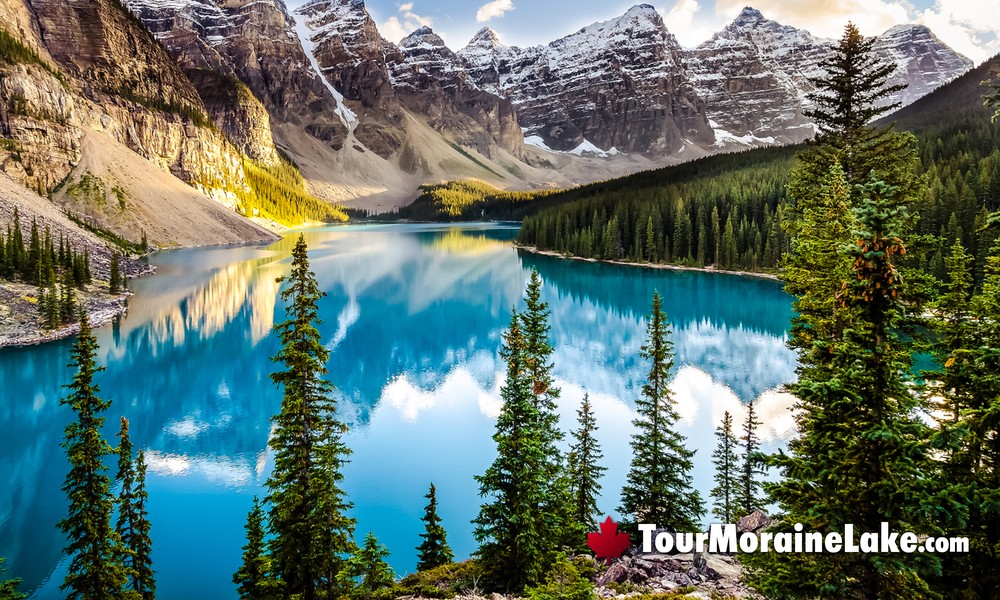
March offers a completely different experience at Moraine Lake compared to the summer season. The lake remains buried beneath deep snow and ice, while the famous Moraine Lake Road is closed to public vehicles throughout the winter. Although visitors cannot reach the shoreline, the Valley of the Ten Peaks remains a spectacular alpine wilderness resting quietly beneath its winter blanket.

Heavy snowfall continues to cover the surrounding mountains, forests, and avalanche slopes throughout March. The lake itself remains frozen beneath the snow, creating a peaceful landscape that is inaccessible to most visitors. The towering peaks surrounding the valley are especially striking during this time of year, with fresh snow highlighting their rugged cliffs and ridgelines.

The road leading to Moraine Lake is closed because of significant avalanche danger. Numerous avalanche paths cross the roadway, making travel unsafe during the winter months. As a result, there are no shuttle services, public transportation, or sightseeing access to the lake during March.

Although the lake cannot be visited directly, the surrounding Lake Louise area offers many outstanding alternatives. Visitors can enjoy the frozen beauty of Lake Louise, explore Johnston Canyon, drive portions of the Icefields Parkway, or experience panoramic mountain views from the Banff Gondola. These destinations provide excellent opportunities to experience the Canadian Rockies while Moraine Lake remains closed for the season.

Wildlife is active throughout the surrounding valleys during March. Elk, mule deer, coyotes, foxes, and a variety of birds are commonly seen in lower elevations near Lake Louise and along nearby highways. Higher alpine areas around Moraine Lake remain quiet, allowing wildlife to conserve energy during the final weeks of winter.

March is still a wonderful time for photography throughout the Lake Louise region. Snow-covered forests, glacier-covered peaks, frozen lakes, and brilliant blue skies create spectacular mountain scenery. Although Moraine Lake itself is inaccessible, the surrounding landscapes provide countless opportunities to capture the beauty of the Canadian Rockies.

As daylight hours continue to increase, the first signs of spring begin to appear in lower elevations. Even so, winter conditions remain firmly established around Moraine Lake, with deep snow and cold temperatures persisting well into the season. The famous turquoise waters do not emerge until the snow and ice melt much later in the year.

While Moraine Lake cannot be visited in March, its winter closure helps preserve the natural environment and ensures visitor safety during one of the snowiest periods of the year. Exploring nearby attractions provides an excellent way to experience the Canadian Rockies before Moraine Lake welcomes visitors again when the seasonal access road reopens. Moraine Lake

March at Peyto Lake

March showcases Peyto Lake in its quiet winter beauty. Frozen landscapes, snow-covered mountain peaks, peaceful viewpoints, and unforgettable scenery combine to create a memorable experience before the lake begins its transformation into the brilliant turquoise destination that returns with the arrival of summer.

March at Peyto Lake

March at Peyto Lake

March is one of the most beautiful times to visit Peyto Lake, as winter continues to blanket the landscape while the days become noticeably longer. The lake remains completely frozen beneath a thick layer of snow, creating a peaceful alpine scene surrounded by towering mountain peaks. With fewer visitors than during the summer months, March offers a quiet opportunity to experience one of the Canadian Rockies' most famous viewpoints.

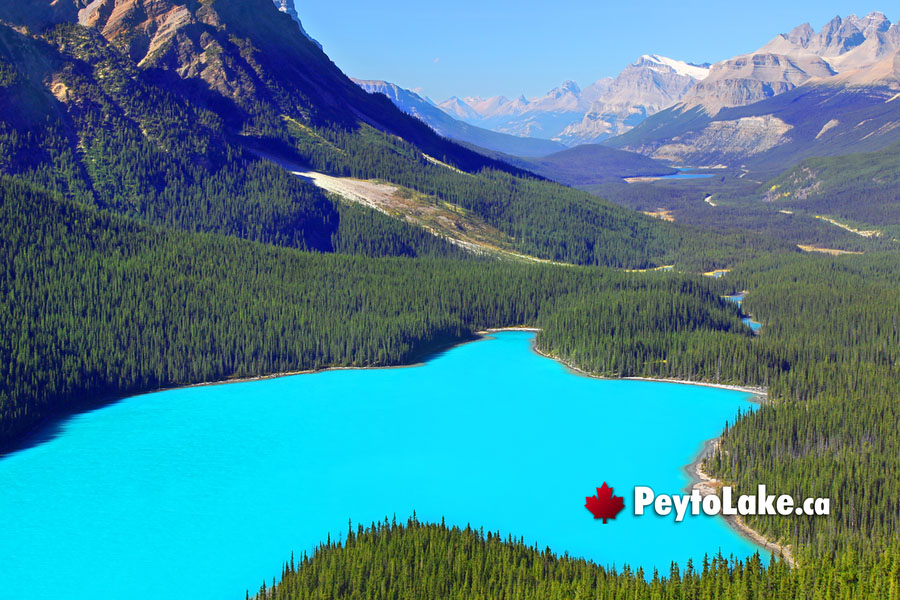
The iconic wolf-head shape of Peyto Lake is hidden beneath snow and ice during March, but the elevated viewpoint still provides breathtaking panoramic views across the valley. Snow-covered forests, rugged mountain ridges, and distant glaciers stretch across the horizon, creating a spectacular winter landscape that feels both vast and untouched.

The drive along the Icefields Parkway to Peyto Lake is a highlight in itself. The route passes frozen rivers, towering cliffs, glacier-fed valleys, and snow-covered forests, offering incredible scenery around every corner. Longer daylight hours provide more opportunities to stop at viewpoints and enjoy the dramatic mountain landscapes.

The short walk from the parking area to the main viewpoint is usually covered in packed snow. Visitors should wear warm winter clothing and sturdy footwear, while ice cleats can provide extra traction on icy sections of the trail. The walk is relatively easy and rewards visitors with one of the finest panoramic views in Banff National Park.

March is an outstanding month for photography at Peyto Lake. Fresh snow blankets the surrounding peaks, while crisp mountain air often provides exceptional visibility. Sunrise and sunset bring warm golden light to the surrounding mountains, creating beautiful contrasts against the white snow and deep blue sky.

Wildlife is occasionally seen throughout the Peyto Lake area and along the Icefields Parkway. Bighorn sheep are commonly spotted on nearby slopes, while elk, mule deer, coyotes, foxes, and a variety of birds may also be seen throughout the surrounding valleys. Wildlife activity gradually increases as spring approaches.

Peyto Lake is an excellent stop when exploring other attractions along the Icefields Parkway. Bow Lake, Waterfowl Lakes, Mistaya Canyon, the Columbia Icefield, Athabasca Falls, and Sunwapta Falls are all within a scenic drive, making it easy to experience several of the Canadian Rockies' most spectacular destinations in a single day.

March showcases Peyto Lake in its quiet winter beauty. Frozen landscapes, snow-covered mountain peaks, peaceful viewpoints, and unforgettable scenery combine to create a memorable experience before the lake begins its transformation into the brilliant turquoise destination that returns with the arrival of summer. Peyto Lake

Jasper, Alberta Map

Jasper National Park

Contact Jasper in March.com

Click to Contact Us